Automated vs. Manual Rent Collection: What Tampa Landlords Need to Know About an Automated Rent Payment System
For Tampa, FL landlords, choosing between manual collection and an automated rent payment system can make a real difference in time, cash flow, and stress. This post breaks down both approaches so property owners in Hillsborough County can make a confident, informed decision.
Manual Rent Collection: Simple but Costly in Time
Manual collection means accepting checks, cash, or peer-to-peer apps like Venmo or Zelle. The appeal is simplicity: no setup, no monthly fee, and no technology to learn. Many landlords in neighborhoods like Hyde Park or Seminole Heights still rely on it.
The drawbacks add up quickly. Each month requires manual tracking, bank deposits, and follow-up on late payers. In Hillsborough County, where seasonal renters move through Brandon, Riverview, and surrounding areas, managing payment timing by hand becomes a real burden across even a small portfolio.
Manual methods also make late-fee enforcement inconsistent. If a landlord is traveling or managing a waterfront property remotely, missed payments can go unaddressed for days.
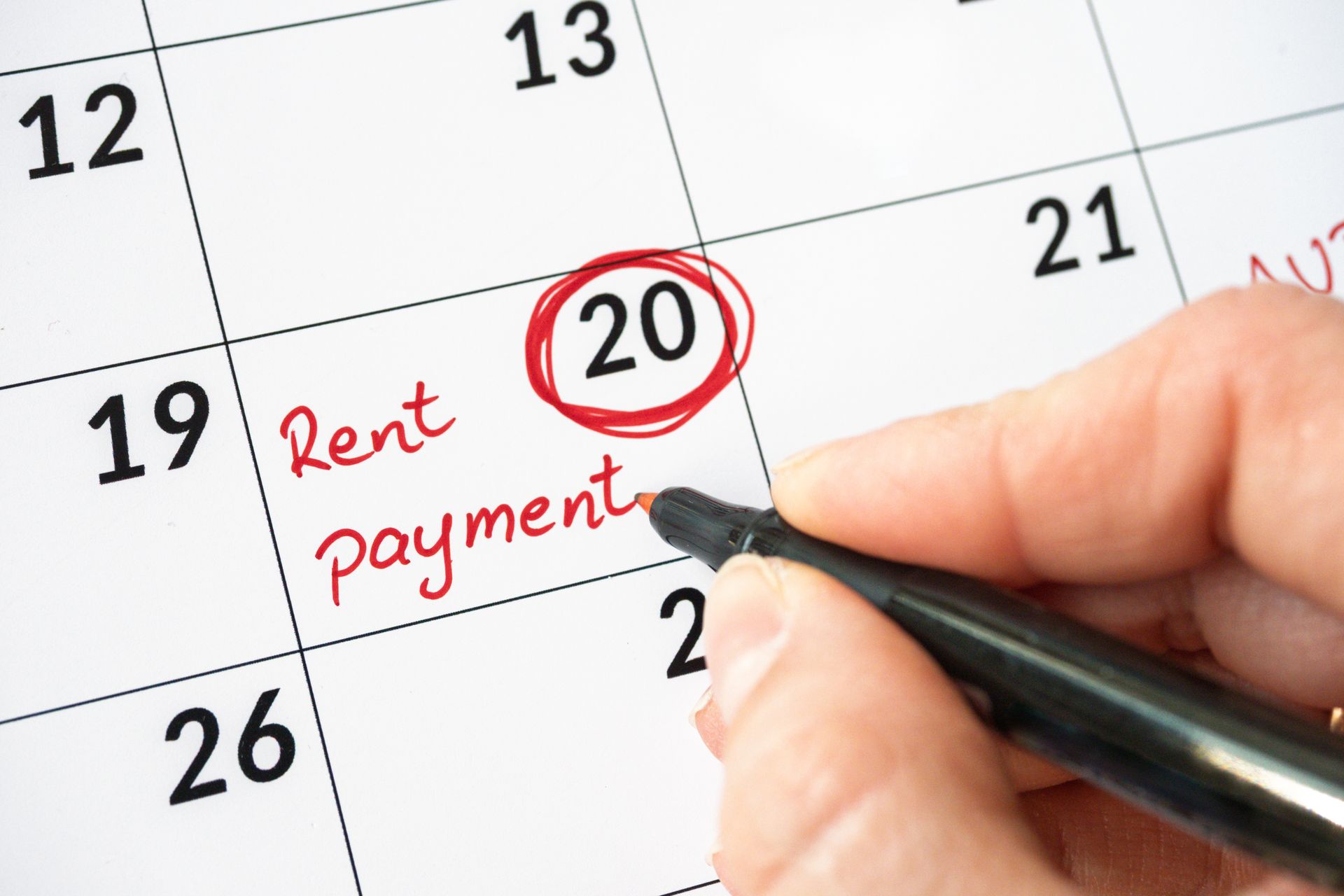
What Does an Automated Rent Payment System Actually Do?
An automated rent payment system processes monthly rent without requiring action from the landlord each cycle. Tenants enroll in autopay, and funds transfer directly from their bank account via ACH on the due date.
ACH transfers are typically the lowest-cost digital option, often running between $0.30 and $1.50 per transaction. Card payments are convenient for tenants but carry higher processing fees, usually 2 to 3%, which landlords should factor into their pricing decisions.
Beyond payment collection, a good system can send automatic reminders before the due date, apply late fees according to preset rules, log every transaction with a timestamped record for tax purposes, and sync data with accounting software to eliminate manual bookkeeping. Landlords already using property management software may also benefit from exploring a payment processor alternative that integrates seamlessly with existing workflows.
For landlords managing properties across Tampa, FL, and nearby communities, this automation can reduce administrative hours significantly each month.
Autopay Enrollment and Tenant Adoption
Getting tenants onto autopay is often easier than landlords expect. Many renters already use autopay for utilities and subscriptions. Offering it as the default payment method at lease signing drives high enrollment rates.
Platforms that send confirmation texts or emails after each payment also build tenant trust and reduce payment-related disputes.
How Does Autopay Work for Tenants?
Tenants link a bank account or debit card, set a payment date, and the system handles the transfer automatically each month. Most systems send a confirmation once payment clears.
What Payment Methods Are Supported?
Most platforms support ACH bank transfers, debit cards, and credit cards. Some also offer electronic cash payment options at retail locations for tenants without bank accounts.
Can the System Enforce Late Fees Automatically?
Yes. Most platforms allow landlords to configure late fees that apply if payment is not received by a set day, removing the need for manual follow-up.
Take the Next Step With PMPS
Tampa, FL landlords do not have to manage rent collection the hard way. PMPS offers a reliable automated rent payment system built for property managers who want to get paid on time, every month.
Contact the team today to get started, or explore how our platform works to find the right fit for your portfolio. Call 515-720-6703 to speak with a specialist.
Recent Posts